The evolution of gambling through the ages a historical overview
The Origins of Gambling
The history of gambling can be traced back to ancient civilizations, where games of chance were played using rudimentary tools. Archaeological evidence suggests that Chinese tiles dating back to 2300 BC may have been used for a rudimentary gambling game. Similarly, ancient Egyptians are known to have participated in betting activities, using artifacts that show the cultural significance of games in their society. Interestingly, as modern times evolved, many people turned to online casinos, expanding their opportunities for entertainment. These early forms of gambling laid the foundation for various games and betting practices that would evolve over time.
As societies developed, so did the methods of gambling. The Romans were particularly influential, introducing games such as dice and betting on gladiatorial contests. This not only entertained but also provided a means for social interaction among the public. Gambling in ancient Rome became a popular pastime, reflecting the culture’s values and social dynamics.
The Rise of Formal Gaming Establishments
The emergence of casinos can be traced to the 17th century in Italy, where the first official gambling houses known as ‘Ridotti’ were established. These venues catered to the upper classes and offered a more regulated and sophisticated environment for gambling. By the 19th century, casinos began to spread across Europe, notably in places like Monte Carlo, further solidifying gambling as a legitimate and luxurious entertainment option.
As casinos gained popularity, so did the variety of games available. Traditional card games and the roulette wheel became staples in these establishments, attracting not only the wealthy but also the growing middle class. This marked a significant shift in the perception of gambling, from a mere pastime to a mainstream activity that could involve considerable financial stakes.
The Impact of Technology on Gambling
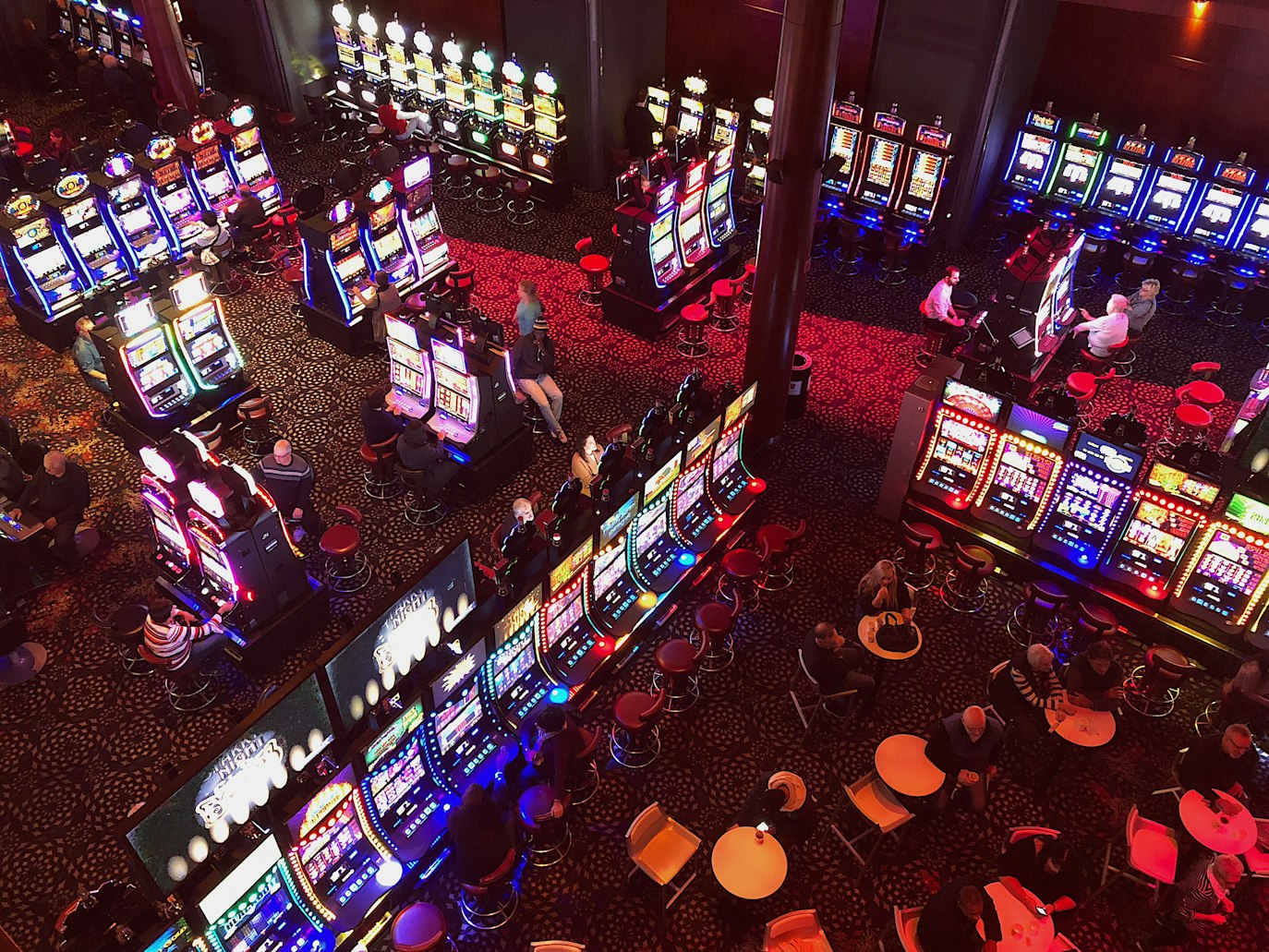
The 20th century brought a technological revolution that greatly influenced the gambling landscape. The invention of electronic slot machines in the 1960s changed the way people engaged with gambling, making it more accessible and exciting. These machines quickly became a favorite among casino patrons, leading to a surge in casino revenues.
With the rise of the internet in the late 20th century, online gambling emerged, providing a new frontier for gaming enthusiasts. Online platforms began to replicate the casino experience, allowing players to gamble from the comfort of their homes. This shift transformed the gambling industry, breaking geographical barriers and attracting a global audience.
The Psychology of Gambling
Understanding the psychology behind gambling is crucial in grasping its evolution. The thrill of risk-taking and the allure of winning big have captivated individuals for centuries. Gamblers often experience an emotional rollercoaster, where excitement and anticipation can lead to a sense of euphoria, followed by disappointment and regret. This psychological aspect makes gambling an enticing activity but also poses risks for addiction.
Furthermore, the development of various marketing strategies has influenced gambling behavior. Casinos and online platforms employ tactics that exploit cognitive biases and social influences, enhancing the gambling experience and increasing player engagement. This complex interplay of psychology and gambling practices highlights the necessity for responsible gaming measures in today’s landscape.

The Future of Gambling
As we look ahead, the future of gambling is poised to undergo further evolution driven by advancements in technology and shifts in societal attitudes. The rise of mobile applications and virtual reality gaming is set to redefine the gaming experience, making it even more immersive and interactive. Additionally, regulatory changes across different regions are likely to shape the industry’s landscape, influencing how gambling is conducted and perceived.
Moreover, as discussions surrounding responsible gambling continue to gain prominence, the industry will need to adapt to ensure the welfare of its players. Balancing innovation with ethical considerations will be essential for the sustainable growth of gambling in the modern world.